Sports Massage Training

$975.00

Enhance Performance • Support Recovery • Prevent Injuries

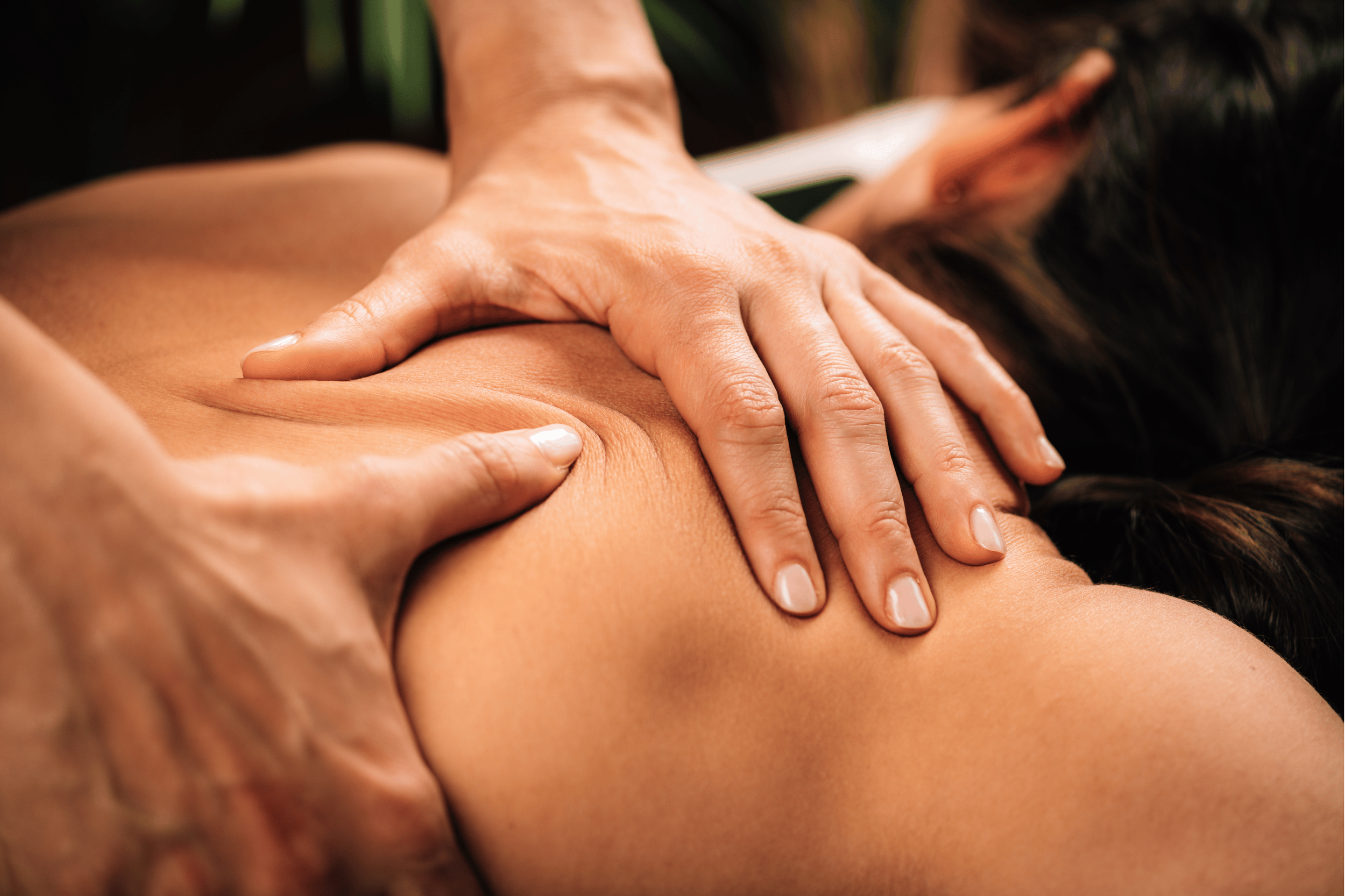
This eight-week advanced course is designed for massage therapists who want to develop the specialized skills needed to work effectively with active clients, from recreational exercisers and weekend athletes to highly trained individuals.

Building on the foundations developed in Deep Tissue Massage & Trigger Point Therapy, students will learn how to adapt massage techniques to the specific demands of physical activity, training, recovery, and injury prevention. The course focuses on improving mobility, reducing muscular tension, supporting post-exercise recovery, and addressing common patterns of overuse and sports-related strain.

Through hands-on practice, biomechanics fundamentals, and real-world case scenarios, participants will learn how to assess the needs of active clients and adapt treatment according to the client’s activity level, training cycle, goals, and physical presentation. Emphasis is placed on creating focused, goal-oriented sessions rather than applying the same routine to every client.

The course also includes an important component of therapeutic client care. Students will learn how to support clients beyond the treatment table through appropriate follow-up recommendations, including simple stretching and mobility exercises that can help reinforce treatment goals, improve movement, reduce recurring tension, and encourage clients to take an active role in their recovery and physical wellbeing.

By the end of the training, participants will be better equipped to provide safe, effective, and individualized sports massage treatments while offering thoughtful follow-up care that supports performance, recovery, and long-term musculoskeletal health.

Course Information

Hours

  • 100h (Includes in-person courses, self-paced at home readings and self-paced home practice)

Prerequisits

Upcoming Courses

  • November 1–8–15–22–29 & December 6-13-20, 2026

    Eight Sundays • 10:30am–1:30pm

  • April 11–18–25 & May 2-9-16-30 & June 6, 2027

    Eight Sundays • 10:00am–1:30pm

  • Oct. 24–31 & Nov. 7-14-21-28 & Dec. 5-12, 2027

    Eight Sundays • 10:00am–1:30pm

Reading List

  • Paine, T. (2023). The complete guide to sports massage (4th ed.). Bloomsbury Sport. ISBN 9781399403061.

  • Berg, K. (2019). Prescriptive stretching (2nd ed.). Human Kinetics.

Come Prepared

If possible, it is suggested to read these sections of Paine, T. (2023). The Complete Guide to Sports Massage prior to the start of the course:

  • Chapter 1: An Introduction to Sports Massage — pages 10–16

  • Chapter 2: The Soft-Tissue Therapist — pages 17–21

  • Chapter 3: The Principles of Human Anatomy and Physiology — pages 24–59

  • Chapter 4: Exercise and the Human Body — pages 60–68

  • Chapter 5: The Principles of Massage — page 69

💡Did You Know?

Course:

Enhance Performance • Support Recovery • Prevent Injuries

This eight-week advanced course is designed for massage therapists who want to develop the specialized skills needed to work effectively with active clients, from recreational exercisers and weekend athletes to highly trained individuals.

Building on the foundations developed in Deep Tissue Massage & Trigger Point Therapy, students will learn how to adapt massage techniques to the specific demands of physical activity, training, recovery, and injury prevention. The course focuses on improving mobility, reducing muscular tension, supporting post-exercise recovery, and addressing common patterns of overuse and sports-related strain.

Through hands-on practice, biomechanics fundamentals, and real-world case scenarios, participants will learn how to assess the needs of active clients and adapt treatment according to the client’s activity level, training cycle, goals, and physical presentation. Emphasis is placed on creating focused, goal-oriented sessions rather than applying the same routine to every client.

The course also includes an important component of therapeutic client care. Students will learn how to support clients beyond the treatment table through appropriate follow-up recommendations, including simple stretching and mobility exercises that can help reinforce treatment goals, improve movement, reduce recurring tension, and encourage clients to take an active role in their recovery and physical wellbeing.

By the end of the training, participants will be better equipped to provide safe, effective, and individualized sports massage treatments while offering thoughtful follow-up care that supports performance, recovery, and long-term musculoskeletal health.

Course Information

Hours

  • 100h (Includes in-person courses, self-paced at home readings and self-paced home practice)

Prerequisits

Upcoming Courses

  • November 1–8–15–22–29 & December 6-13-20, 2026

    Eight Sundays • 10:30am–1:30pm

  • April 11–18–25 & May 2-9-16-30 & June 6, 2027

    Eight Sundays • 10:00am–1:30pm

  • Oct. 24–31 & Nov. 7-14-21-28 & Dec. 5-12, 2027

    Eight Sundays • 10:00am–1:30pm

Reading List

  • Paine, T. (2023). The complete guide to sports massage (4th ed.). Bloomsbury Sport. ISBN 9781399403061.

  • Berg, K. (2019). Prescriptive stretching (2nd ed.). Human Kinetics.

Come Prepared

If possible, it is suggested to read these sections of Paine, T. (2023). The Complete Guide to Sports Massage prior to the start of the course:

  • Chapter 1: An Introduction to Sports Massage — pages 10–16

  • Chapter 2: The Soft-Tissue Therapist — pages 17–21

  • Chapter 3: The Principles of Human Anatomy and Physiology — pages 24–59

  • Chapter 4: Exercise and the Human Body — pages 60–68

  • Chapter 5: The Principles of Massage — page 69

💡Did You Know?