Sale Price:
$599.99
Original Price:
$650.00
RESTORATIVE YOGA TEACHER TRAINING
The Art of Deep Rest, Support & Conscious Relaxation
With Juliette Oliver
Restorative Yoga teaches us something that can be surprisingly difficult in modern life: how to truly rest.
Rather than asking the body to stretch more, strengthen more or accomplish more, Restorative Yoga uses carefully supported postures to create the conditions in which effort can gradually soften and the body and mind can settle.
This 20-hour specialized teacher training will give you the practical knowledge and teaching skills needed to confidently guide Restorative Yoga classes and incorporate restorative practices into other styles of yoga.
You will learn how to use bolsters, blankets, blocks, straps, walls and other forms of support to adapt postures to different bodies and create positions that can be maintained comfortably for longer periods of time.
But Restorative Yoga is not simply lying down with props.
A well-designed restorative practice requires thoughtful positioning, attention to comfort, appropriate sequencing, skilled observation and an understanding of how subtle adjustments can completely change a student's experience.
Throughout the training, you will learn how to create an environment in which students feel sufficiently supported to let go of unnecessary physical and mental effort—and how to guide that experience without over-teaching or disturbing the quietness of the practice.
WHAT YOU'LL LEARN
The training explores:
The fundamental principles of Restorative Yoga
What distinguishes restorative practice from Yin Yoga and other passive forms of stretching
The role of support, comfort and stillness
How to use bolsters, blankets, blocks, straps, chairs and walls effectively
Setting up and adapting foundational restorative postures
Understanding the purpose and intention behind different restorative positions
How to accommodate different body proportions, mobility levels and physical needs
Recognizing when a student needs additional support or a different variation
The importance of alignment without creating unnecessary effort
Safe and comfortable transitions into and out of supported postures
Breath awareness and conscious relaxation
The relationship between restorative practice, stress and the nervous system
Creating conditions that encourage calm, grounding and self-regulation
The role of silence and minimal instruction
Appropriate verbal cueing during long-held postures
Meditation, mindfulness and body awareness
Sequencing a complete Restorative Yoga class
Creating shorter restorative sequences for use within regular yoga classes
Choosing postures according to the needs and intention of the practice
Guiding Savasana and deep relaxation with greater confidence
Creating a calm, safe and welcoming class environment
THE ART OF SUPPORT
One of the essential skills of a Restorative Yoga teacher is learning how to support the body rather than asking the body to support the posture.
Small changes in the height of a bolster, the placement of a blanket or the angle of a limb can dramatically affect whether a posture feels restful or requires subtle effort.
You will learn to observe your students carefully and make intelligent adjustments so that each posture fits the individual rather than expecting every individual to fit the same posture.
The goal is not to achieve a particular shape.
The goal is to create enough physical support that the student can remain comfortably present without unnecessary strain.
LEARNING TO REST
Many people arrive in yoga classes carrying significant physical and mental tension. Even when the body becomes still, the mind may continue planning, analyzing and reacting.
Restorative Yoga creates an opportunity to gradually shift away from constant doing and toward receiving, observing and simply being.
Through supported postures, conscious breathing, stillness and mindful awareness, students are invited to notice where they are holding unnecessary effort and to allow that effort to soften.
As a teacher, you will learn how to guide this process gently—without forcing relaxation, filling every moment with instruction or turning rest into another achievement.
Sometimes the most skillful teaching is knowing when to say less.
RESTORATIVE YOGA VS. YIN YOGA
Although both practices may involve longer-held postures and a quieter atmosphere, their intentions are different.
In Yin Yoga, some degree of sensation and passive stress on the tissues is often intentionally explored.
In Restorative Yoga, the emphasis is instead on support, ease and minimizing unnecessary physical effort.
Understanding this distinction allows teachers to use each approach intentionally rather than treating all slow yoga practices as interchangeable.
WHO IS THIS TRAINING FOR?
This training is ideal for:
Certified yoga teachers wishing to teach Restorative Yoga
Yoga teachers wanting to incorporate restorative postures into Hatha, Vinyasa, Yin or other classes
Teachers interested in offering quieter, more accessible practices
Teachers wishing to improve their use of props and individual adaptations
Teachers interested in relaxation, mindfulness and nervous-system-aware teaching
Yoga practitioners wishing to deepen their understanding of restorative practice
COURSE INFORMATION
With Juliette Oliver
Winter 2027: February 20–21 & 27–28
Fall 2027: September 25–26 & October 2–3
Location: Vibrations Om – Lachine
Schedule: Saturdays & Sundays, 2:00 PM–7:00 PM
Training: 20 hours
Tuition: $650 • Early Bird: 599.99
🎁 A $100 Gift Toward Your Next Course!
Register for any course valued at $500 or more and receive a $100 voucher by email within approximately 15 minutes, valid for one year toward any future course!
RESTORATIVE YOGA TEACHER TRAINING
The Art of Deep Rest, Support & Conscious Relaxation
With Juliette Oliver
Restorative Yoga teaches us something that can be surprisingly difficult in modern life: how to truly rest.
Rather than asking the body to stretch more, strengthen more or accomplish more, Restorative Yoga uses carefully supported postures to create the conditions in which effort can gradually soften and the body and mind can settle.
This 20-hour specialized teacher training will give you the practical knowledge and teaching skills needed to confidently guide Restorative Yoga classes and incorporate restorative practices into other styles of yoga.
You will learn how to use bolsters, blankets, blocks, straps, walls and other forms of support to adapt postures to different bodies and create positions that can be maintained comfortably for longer periods of time.
But Restorative Yoga is not simply lying down with props.
A well-designed restorative practice requires thoughtful positioning, attention to comfort, appropriate sequencing, skilled observation and an understanding of how subtle adjustments can completely change a student's experience.
Throughout the training, you will learn how to create an environment in which students feel sufficiently supported to let go of unnecessary physical and mental effort—and how to guide that experience without over-teaching or disturbing the quietness of the practice.
WHAT YOU'LL LEARN
The training explores:
The fundamental principles of Restorative Yoga
What distinguishes restorative practice from Yin Yoga and other passive forms of stretching
The role of support, comfort and stillness
How to use bolsters, blankets, blocks, straps, chairs and walls effectively
Setting up and adapting foundational restorative postures
Understanding the purpose and intention behind different restorative positions
How to accommodate different body proportions, mobility levels and physical needs
Recognizing when a student needs additional support or a different variation
The importance of alignment without creating unnecessary effort
Safe and comfortable transitions into and out of supported postures
Breath awareness and conscious relaxation
The relationship between restorative practice, stress and the nervous system
Creating conditions that encourage calm, grounding and self-regulation
The role of silence and minimal instruction
Appropriate verbal cueing during long-held postures
Meditation, mindfulness and body awareness
Sequencing a complete Restorative Yoga class
Creating shorter restorative sequences for use within regular yoga classes
Choosing postures according to the needs and intention of the practice
Guiding Savasana and deep relaxation with greater confidence
Creating a calm, safe and welcoming class environment
THE ART OF SUPPORT
One of the essential skills of a Restorative Yoga teacher is learning how to support the body rather than asking the body to support the posture.
Small changes in the height of a bolster, the placement of a blanket or the angle of a limb can dramatically affect whether a posture feels restful or requires subtle effort.
You will learn to observe your students carefully and make intelligent adjustments so that each posture fits the individual rather than expecting every individual to fit the same posture.
The goal is not to achieve a particular shape.
The goal is to create enough physical support that the student can remain comfortably present without unnecessary strain.
LEARNING TO REST
Many people arrive in yoga classes carrying significant physical and mental tension. Even when the body becomes still, the mind may continue planning, analyzing and reacting.
Restorative Yoga creates an opportunity to gradually shift away from constant doing and toward receiving, observing and simply being.
Through supported postures, conscious breathing, stillness and mindful awareness, students are invited to notice where they are holding unnecessary effort and to allow that effort to soften.
As a teacher, you will learn how to guide this process gently—without forcing relaxation, filling every moment with instruction or turning rest into another achievement.
Sometimes the most skillful teaching is knowing when to say less.
RESTORATIVE YOGA VS. YIN YOGA
Although both practices may involve longer-held postures and a quieter atmosphere, their intentions are different.
In Yin Yoga, some degree of sensation and passive stress on the tissues is often intentionally explored.
In Restorative Yoga, the emphasis is instead on support, ease and minimizing unnecessary physical effort.
Understanding this distinction allows teachers to use each approach intentionally rather than treating all slow yoga practices as interchangeable.
WHO IS THIS TRAINING FOR?
This training is ideal for:
Certified yoga teachers wishing to teach Restorative Yoga
Yoga teachers wanting to incorporate restorative postures into Hatha, Vinyasa, Yin or other classes
Teachers interested in offering quieter, more accessible practices
Teachers wishing to improve their use of props and individual adaptations
Teachers interested in relaxation, mindfulness and nervous-system-aware teaching
Yoga practitioners wishing to deepen their understanding of restorative practice
COURSE INFORMATION
With Juliette Oliver
Winter 2027: February 20–21 & 27–28
Fall 2027: September 25–26 & October 2–3
Location: Vibrations Om – Lachine
Schedule: Saturdays & Sundays, 2:00 PM–7:00 PM
Training: 20 hours
Tuition: $650 • Early Bird: 599.99
🎁 A $100 Gift Toward Your Next Course!
Register for any course valued at $500 or more and receive a $100 voucher by email within approximately 15 minutes, valid for one year toward any future course!

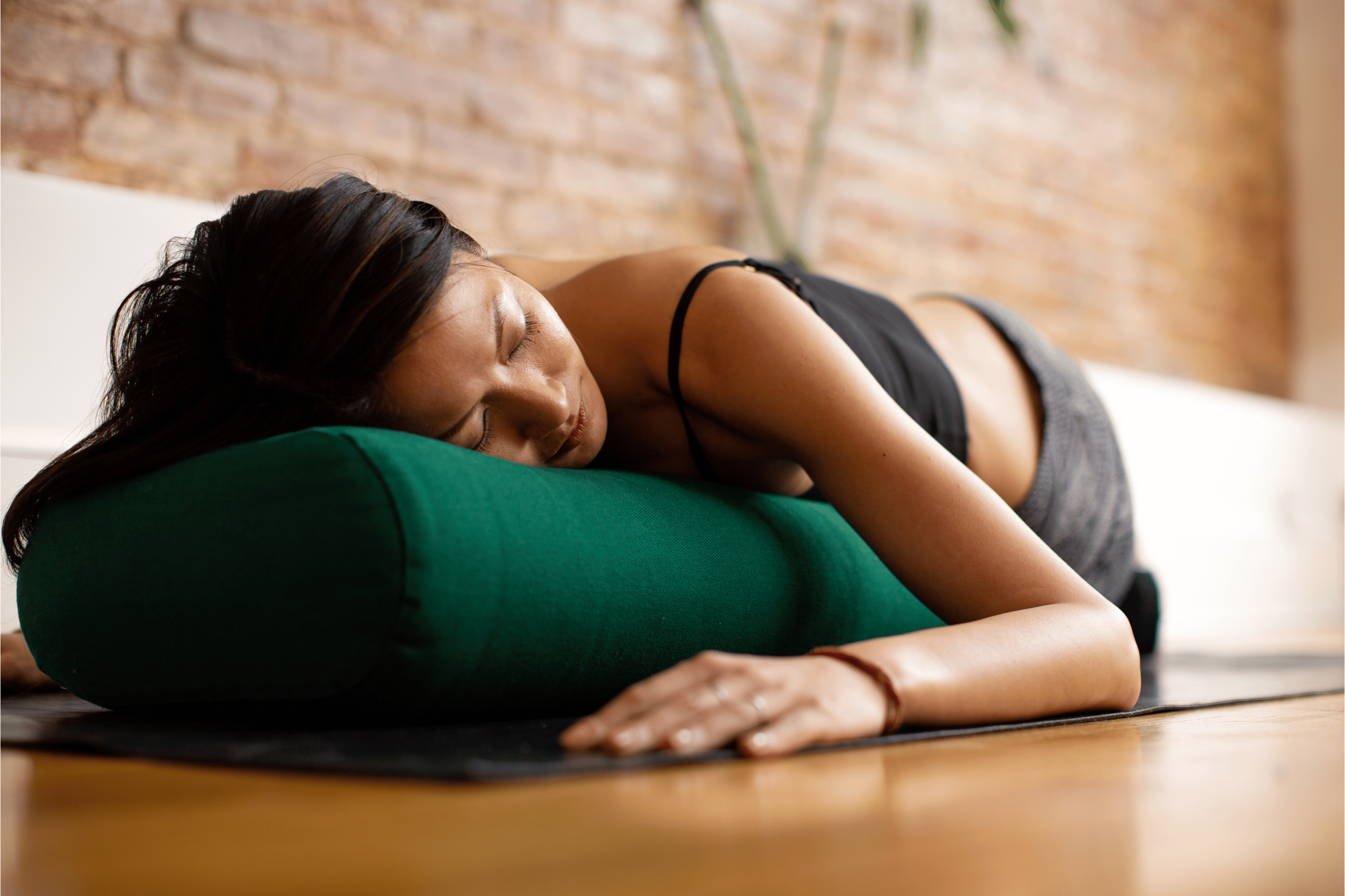 Image 1 of 1