Sale Price:
$599.99
Original Price:
$650.00
The Art of Stillness, Awareness & Deep Release
With Juliette Oliver
Yin Yoga invites us to slow down.
In a world—and often a yoga practice—built around movement, effort and achievement, Yin offers something very different: stillness, patience, awareness and the opportunity to listen deeply to the body and mind.
This 20-hour specialized teacher training will give you the knowledge and practical tools to confidently teach Yin Yoga and to understand the principles that make the practice unique.
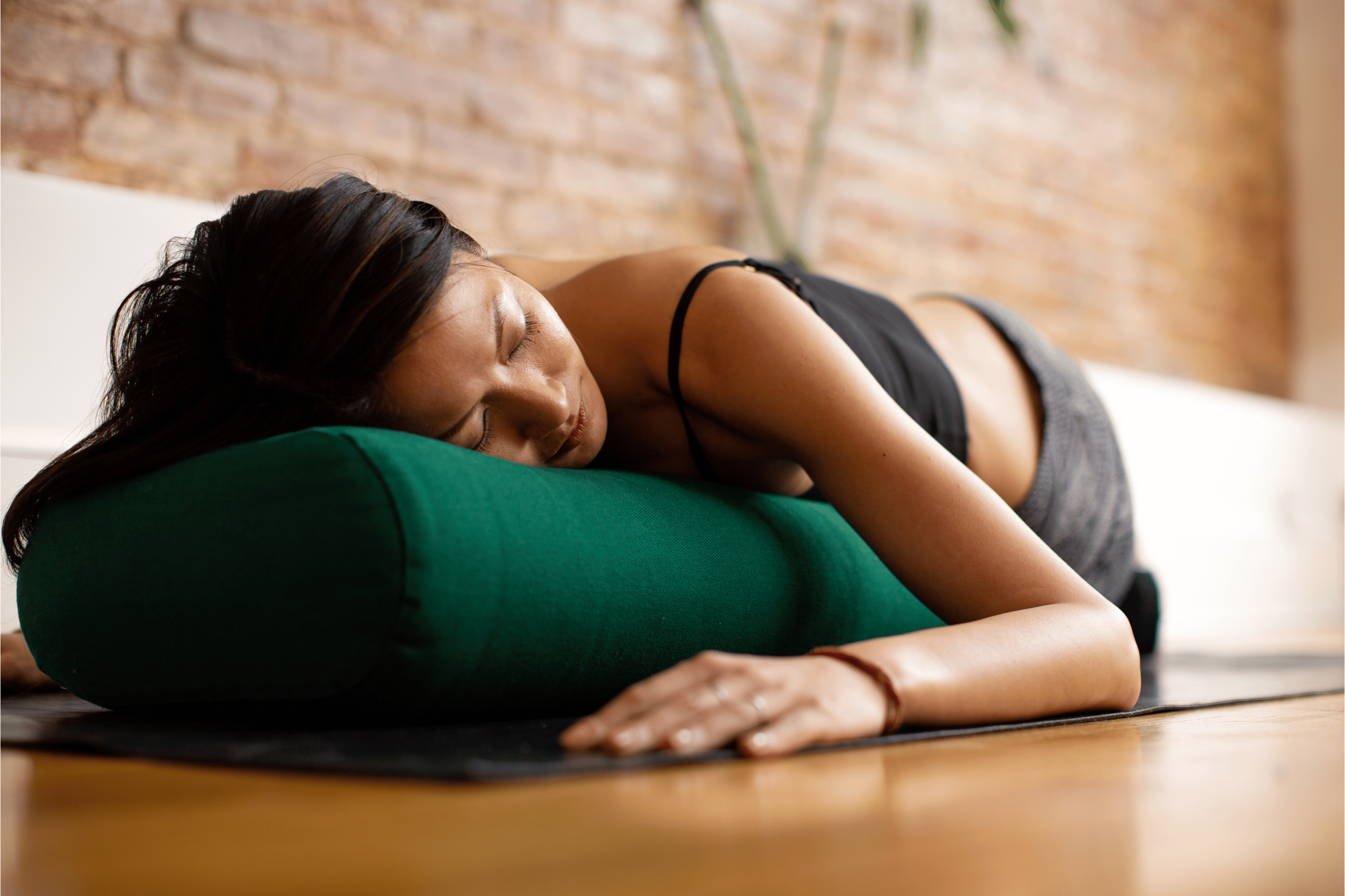
Unlike more dynamic styles of yoga, Yin postures are generally practiced close to the ground and held for longer periods of time. Rather than actively contracting and controlling the body, students are encouraged to gradually settle into an appropriate level of sensation, reduce unnecessary muscular effort and observe what unfolds.
But Yin Yoga is much more than simply holding poses for several minutes.
Throughout this training, you will explore the anatomical, energetic and meditative foundations of the practice, learning how to guide students safely while recognizing that every body is different. Instead of trying to make every student reproduce the same shape, you will learn to understand the intention of a posture and offer variations that respect individual anatomy, mobility and experience.
You will also learn how to create the distinctive atmosphere of a Yin class—using stillness, silence, breath, mindful guidance and thoughtful sequencing to create a practice that can become both deeply physical and deeply introspective.
WHAT YOU'LL LEARN
The training explores:
The fundamental principles and philosophy of Yin Yoga
What distinguishes Yin from more active or Yang styles of yoga
The role of stillness, time and appropriate intensity
Functional anatomy and individual skeletal variation
Understanding why the same posture can look different in different bodies
Working with connective tissues, joints and mobility
Finding an appropriate edge without forcing
Yin Yoga postures and their variations
Intelligent use of bolsters, blocks, blankets and other props
When and how to modify a posture
Understanding discomfort versus pain
Safe transitions into and out of long-held postures
Breath awareness and mindfulness
Meditation and the contemplative dimension of Yin
The energetic qualities of the practice
Sequencing a balanced Yin Yoga class
Choosing postures according to a class intention or area of focus
The role of counterposes and periods of rest
Verbal cueing and guiding students without over-instructing
Creating an atmosphere of calm, introspection and presence
How to confidently teach a complete Yin Yoga class
MORE THAN A SERIES OF POSTURES
One of the most important skills of a Yin teacher is learning to move away from the idea that there is one “correct” expression of a pose.
Human bodies are different. Bone structure, joint orientation, proportions, mobility and previous experience all influence how a posture feels and appears.
This training teaches you to look beyond the external shape and ask a more useful question:
What are we trying to experience in this posture, and how can this individual student find it safely?
This functional approach allows teachers to offer meaningful alternatives without forcing students into predetermined shapes.
THE INNER PRACTICE OF YIN
Yin Yoga also offers a powerful opportunity to cultivate awareness.
When movement slows and the body becomes relatively still, we begin to notice sensations, thoughts, impulses and reactions that can easily go unnoticed in a faster practice.
Rather than immediately responding to every sensation, students learn to observe, breathe and remain present.
In this way, Yin becomes more than a physical practice. It can become a form of moving toward meditation through stillness—developing patience, acceptance, self-awareness and a greater capacity to simply be.
WHO IS THIS TRAINING FOR?
This training is ideal for:
Certified yoga teachers wishing to teach Yin Yoga
Yoga teachers wanting to add Yin classes to their existing teaching
Teachers looking to deepen their understanding of functional anatomy and individual variation
Teachers interested in incorporating more stillness, meditation and introspection into their classes
Yoga practitioners and teachers wishing to deepen their personal understanding of Yin Yoga
COURSE INFORMATION
With Juliette Oliver
Winter 2027: January 9–10 & 16–17
Fall 2027: September 11–12 & 18–19
Location: Vibrations Om – Lachine
Schedule: Saturdays & Sundays, 2:00 PM–7:00 PM
Training: 20 hours
Tuition: $650 • Early-Bird: $599.99
🎁 A $100 Gift Toward Your Next Course!
Register for any course valued at $500 or more and receive a $100 voucher by email within approximately 15 minutes, valid for one year toward any future course!
The Art of Stillness, Awareness & Deep Release
With Juliette Oliver
Yin Yoga invites us to slow down.
In a world—and often a yoga practice—built around movement, effort and achievement, Yin offers something very different: stillness, patience, awareness and the opportunity to listen deeply to the body and mind.
This 20-hour specialized teacher training will give you the knowledge and practical tools to confidently teach Yin Yoga and to understand the principles that make the practice unique.
Unlike more dynamic styles of yoga, Yin postures are generally practiced close to the ground and held for longer periods of time. Rather than actively contracting and controlling the body, students are encouraged to gradually settle into an appropriate level of sensation, reduce unnecessary muscular effort and observe what unfolds.
But Yin Yoga is much more than simply holding poses for several minutes.
Throughout this training, you will explore the anatomical, energetic and meditative foundations of the practice, learning how to guide students safely while recognizing that every body is different. Instead of trying to make every student reproduce the same shape, you will learn to understand the intention of a posture and offer variations that respect individual anatomy, mobility and experience.
You will also learn how to create the distinctive atmosphere of a Yin class—using stillness, silence, breath, mindful guidance and thoughtful sequencing to create a practice that can become both deeply physical and deeply introspective.
WHAT YOU'LL LEARN
The training explores:
The fundamental principles and philosophy of Yin Yoga
What distinguishes Yin from more active or Yang styles of yoga
The role of stillness, time and appropriate intensity
Functional anatomy and individual skeletal variation
Understanding why the same posture can look different in different bodies
Working with connective tissues, joints and mobility
Finding an appropriate edge without forcing
Yin Yoga postures and their variations
Intelligent use of bolsters, blocks, blankets and other props
When and how to modify a posture
Understanding discomfort versus pain
Safe transitions into and out of long-held postures
Breath awareness and mindfulness
Meditation and the contemplative dimension of Yin
The energetic qualities of the practice
Sequencing a balanced Yin Yoga class
Choosing postures according to a class intention or area of focus
The role of counterposes and periods of rest
Verbal cueing and guiding students without over-instructing
Creating an atmosphere of calm, introspection and presence
How to confidently teach a complete Yin Yoga class
MORE THAN A SERIES OF POSTURES
One of the most important skills of a Yin teacher is learning to move away from the idea that there is one “correct” expression of a pose.
Human bodies are different. Bone structure, joint orientation, proportions, mobility and previous experience all influence how a posture feels and appears.
This training teaches you to look beyond the external shape and ask a more useful question:
What are we trying to experience in this posture, and how can this individual student find it safely?
This functional approach allows teachers to offer meaningful alternatives without forcing students into predetermined shapes.
THE INNER PRACTICE OF YIN
Yin Yoga also offers a powerful opportunity to cultivate awareness.
When movement slows and the body becomes relatively still, we begin to notice sensations, thoughts, impulses and reactions that can easily go unnoticed in a faster practice.
Rather than immediately responding to every sensation, students learn to observe, breathe and remain present.
In this way, Yin becomes more than a physical practice. It can become a form of moving toward meditation through stillness—developing patience, acceptance, self-awareness and a greater capacity to simply be.
WHO IS THIS TRAINING FOR?
This training is ideal for:
Certified yoga teachers wishing to teach Yin Yoga
Yoga teachers wanting to add Yin classes to their existing teaching
Teachers looking to deepen their understanding of functional anatomy and individual variation
Teachers interested in incorporating more stillness, meditation and introspection into their classes
Yoga practitioners and teachers wishing to deepen their personal understanding of Yin Yoga
COURSE INFORMATION
With Juliette Oliver
Winter 2027: January 9–10 & 16–17
Fall 2027: September 11–12 & 18–19
Location: Vibrations Om – Lachine
Schedule: Saturdays & Sundays, 2:00 PM–7:00 PM
Training: 20 hours
Tuition: $650 • Early-Bird: $599.99
🎁 A $100 Gift Toward Your Next Course!
Register for any course valued at $500 or more and receive a $100 voucher by email within approximately 15 minutes, valid for one year toward any future course!

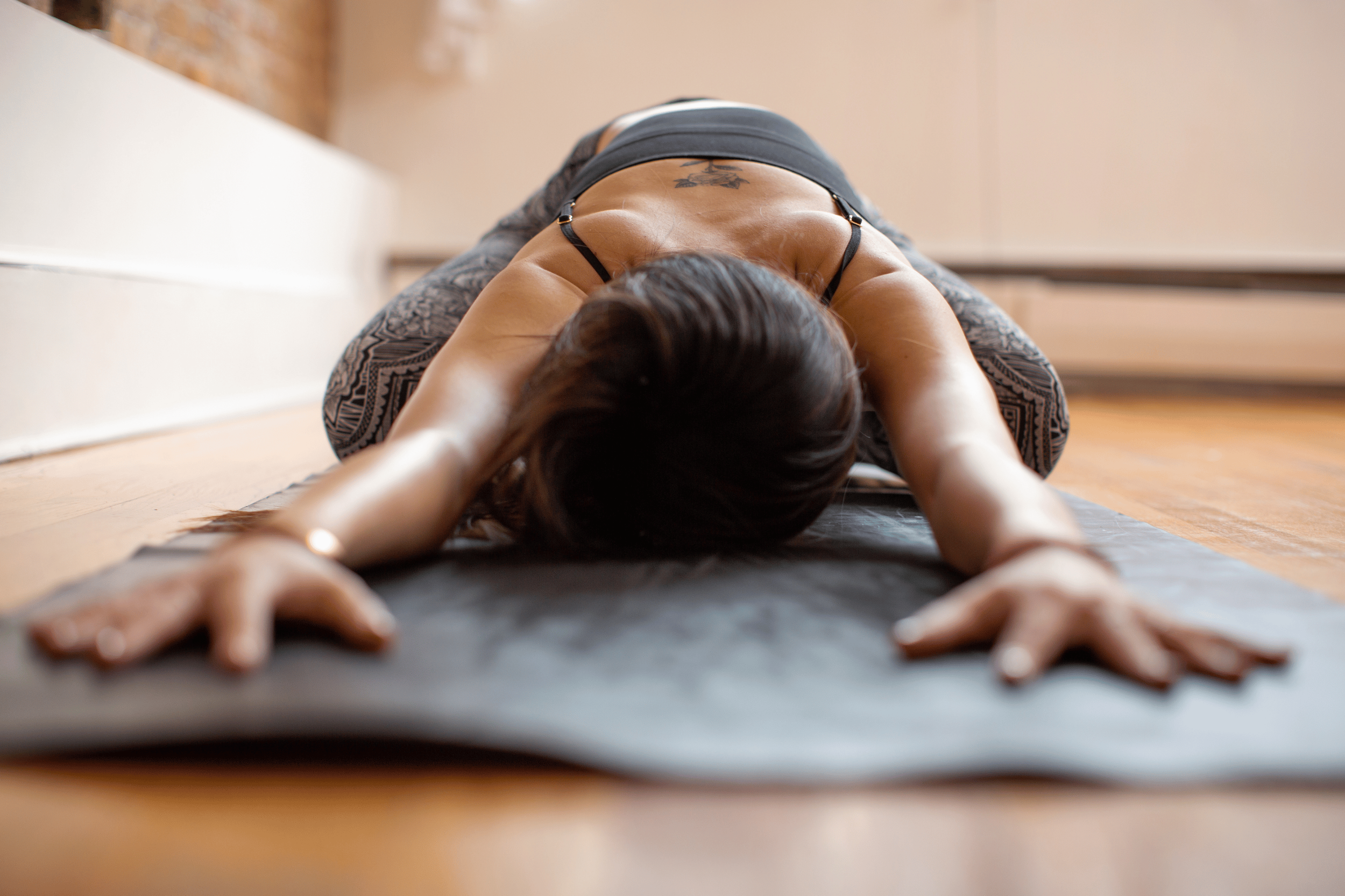 Image 1 of 1